Personal protective equipment on a Saudi industrial site is governed by a combination of national requirements, the client's own site rules, and — on petrochemical and major contractor projects — a project HSE specification that is often stricter than either. In practice this means PPE is bought against a written standard, and the standard is what gets checked at the gate. This guide covers which standards come up, how to read the markings, and how to build an issue list that will not be rejected.
Why the standard matters more than the description
"Safety helmet" describes almost nothing. A helmet certified to EN 397 and one sold as a bump cap look broadly similar in a photograph and are not remotely equivalent in function. Buying against a described item rather than a certified standard is how sites end up with equipment that fails inspection, or worse, fails in use. Every line of a PPE requisition should carry a standard.
Head protection
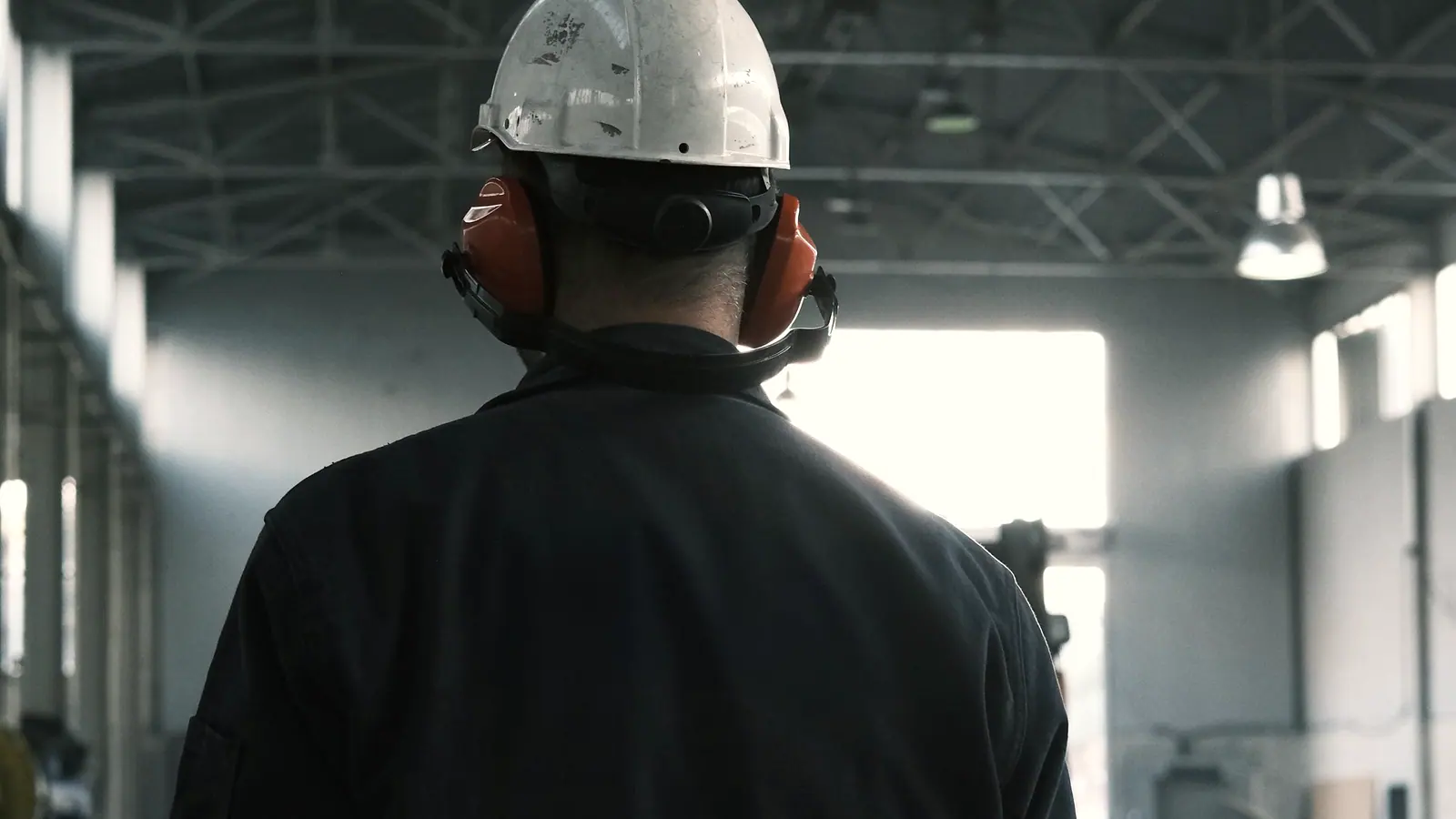
The standard normally specified is EN 397 for industrial safety helmets. The equivalent American standard, ANSI Z89.1, appears on projects following US practice, and some specifications will accept either. Within EN 397 there are optional requirements worth knowing: very low temperature is irrelevant here, but molten metal splash matters for foundry and welding work, and lateral deformation matters where crushing rather than falling objects is the risk.
One point that is frequently missed: electrical insulation for live working is covered by a separate standard, EN 50365, not by EN 397. If electricians on site need insulating helmets, specify that separately.
Chin straps deserve a mention. EN 397 helmets are designed for the chin strap to release under load, to avoid strangulation. Helmets intended for work at height, where retention matters more, are certified to EN 12492 and have a stronger strap. These are different products for different risks.
Foot protection
Safety footwear is specified to the EN ISO 20345 series, and the marking is a code rather than a single number. S3 is the specification most commonly called for on Saudi construction and industrial sites: it means a 200-joule toe cap, a penetration-resistant midsole, water resistance and a cleated outsole. S1P covers toe cap and penetration resistance without the water resistance, which is adequate for many indoor workshop environments.
Additional codes appear where the risk requires them — HRO for outsole heat resistance, HI for heat insulation, CI for cold insulation, ESD for electrostatic dissipation, and metatarsal protection marked M. On hot sites, outsole heat resistance is worth real consideration; standing on surfaces that have been in direct sun all day is a genuine hazard, not a theoretical one.
Hand protection
Gloves are certified to EN 388 for mechanical risks, and the marking is four or five characters representing abrasion, cut, tear, puncture and impact resistance. This is where a lot of specification error happens: a glove with an excellent cut rating may have poor abrasion resistance, and buyers often read only the first number they recognise. Match the rating to the actual hazard.
Where heat is involved, EN 407 applies; for chemicals, EN 374. Cut resistance in the current EN 388 revision is expressed by a letter, A through F, from the ISO 13997 test, which replaced an older numeric scale that is still printed on some older stock. If a specification references the old scale, clarify before ordering.
Eye and face protection
ANSI Z87.1 and EN 166 both appear on Saudi projects, depending on whose specification is governing. Both cover impact, and both allow for filters and coatings, but the marking systems differ. For grinding, side protection or goggles are required rather than plain spectacles. For welding, the shade number must suit the process and current, and a welding helmet is not a substitute for eye protection during chipping and grinding.
Anti-fog coating is worth specifying rather than treating as an upgrade. In high humidity, uncoated lenses fog, and fogged eyewear gets removed — at which point the protection is zero regardless of certification.
Hearing protection
EN 352 covers earmuffs and earplugs. Attenuation is published as SNR or as H/M/L values, and over-protection is a real problem: hearing protection that attenuates too much makes warning signals and speech inaudible, which introduces a different hazard. Match the attenuation to the measured noise level rather than choosing the highest number available.
High visibility
EN ISO 20471 defines classes 1, 2 and 3 by the area of fluorescent and retro-reflective material. Class 2 is typical for general site work; class 3 is normally required near moving traffic and plant, and for banksmen and traffic marshals. Note that high-visibility garments have a service life — the fluorescent material degrades with UV exposure and washing, and in this climate that happens faster than the garment looks worn. Vests that have gone pale are no longer performing.
Fall protection and respiratory protection
Both of these are systems rather than items. A harness on its own protects nobody; it needs a lanyard suited to the fall distance, an energy absorber, and an anchorage capable of taking the load. Specify them together. Similarly, respiratory protection requires the correct filter for the contaminant, and a face fit that is verified rather than assumed — beards are a genuine complication for tight-fitting respirators and need to be addressed by equipment selection, not ignored.
Building the issue list
A workable approach is to write the list by role rather than by item. A scaffolder, a welder, an electrician and a banksman need different combinations, and issuing a single generic kit to everyone means some workers are under-protected while budget is wasted on others. Include consumables and replacement intervals in the plan — gloves, earplugs and disposable respirators are consumed continuously, and running out mid-project is how sites end up with unofficial substitutions.
Our PPE and safety equipment range covers these categories, quoted against the standard you specify. For traffic marshals and works near live roads, site safety and traffic management equipment covers the barriers, signage and high-visibility items that go with them. Send the issue list or the project HSE specification through our contact form and we will quote against the standards named in it.
Updated 6 September 2026